

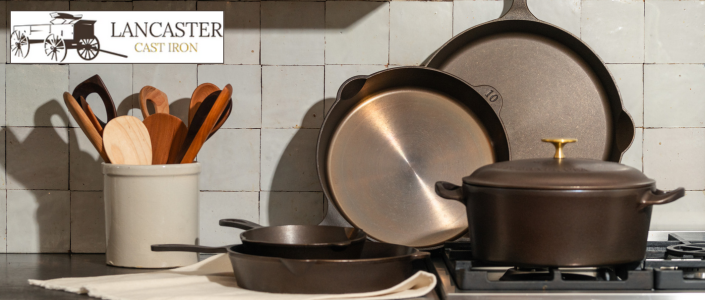
If you care about cookware that is built for decades of daily use, not seasons, then Lancaster Cast Iron is a brand worth understanding. The company focuses on American-made cast iron skillets and accessories with a strong emphasis on machining, surface finish, and real-world handling. The result is cookware that aims to heat evenly, release food better over time, and become more valuable the longer you use it.
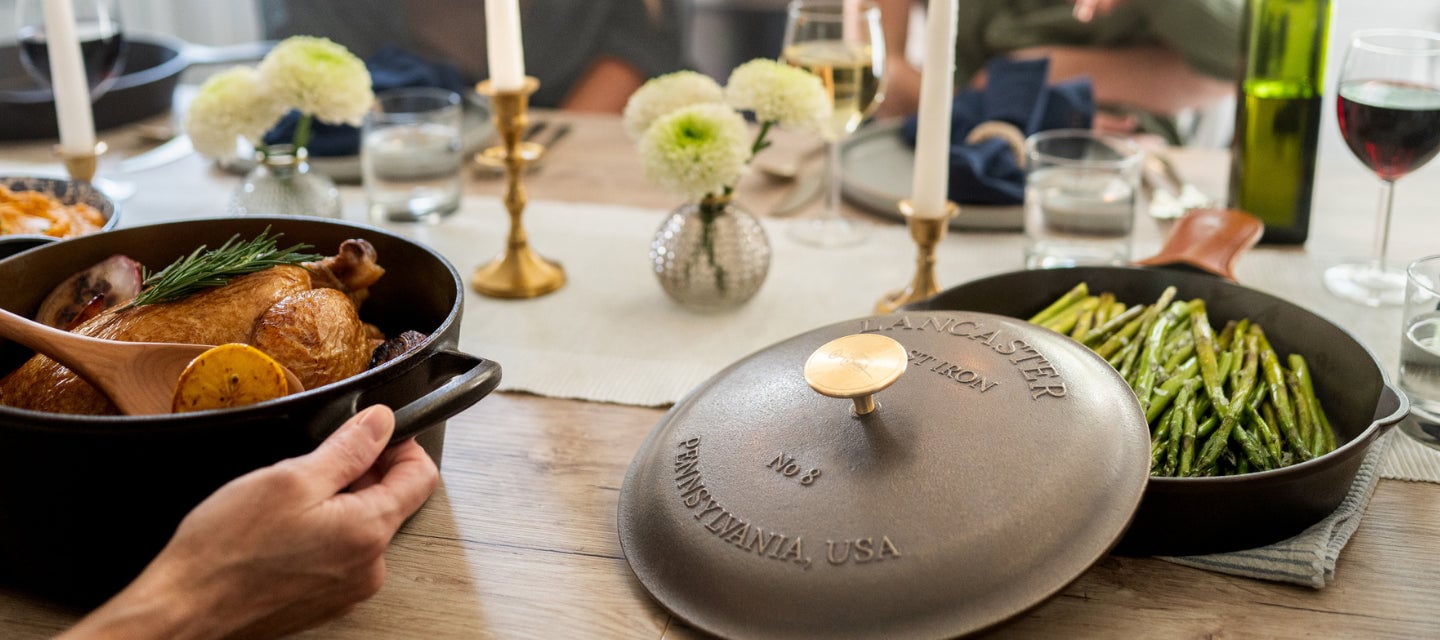
Why the Surface and Weight Matter
Cast iron is famous for heat retention, but not all cast iron feels the same in practice. Many modern pans are intentionally left with a rougher texture that requires more seasoning time before food release improves. By contrast, Lancaster Cast Iron focuses on a smoother cooking surface that tends to feel more refined out of the box, especially once you add a few weeks of consistent cooking. For many cooks, that translates into easier eggs, cleaner sears, and less sticking during delicate saute work.
If you are new to cast iron, a smoother surface can reduce the learning curve. It will not replace good temperature control, but it can make the early seasoning phase feel more rewarding.
Product Lineup and Pricing
The core of the assortment is the skillet lineup. A smart approach is to buy the size you will use weekly, then expand with either a smaller pan for eggs and sides or a larger pan for hosting and batch cooking. Below is a simple pricing-oriented overview you can use as a planning guide.
| Product | Best for | Typical price range |
|---|---|---|
| Small skillet | Eggs, single portions, sauces, side dishes | $100 to $140 |
| Standard skillet | Everyday cooking, proteins, vegetables, cornbread | $160 to $220 |
| Large skillet | Family meals, larger sears, shallow frying | $220 to $300 |
| Lids and accessories | Moisture control, splatter reduction, heat retention | $40 to $140 |
| Bundles and sets | Better value if you want multiple sizes | Varies by set |
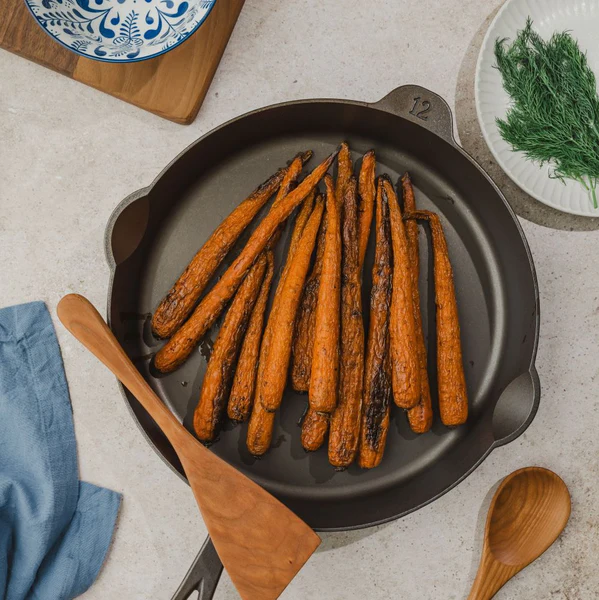
Recommended “First Purchase” Paths
Path A: The everyday cook
Start with a standard skillet size. Add a lid if you routinely cook proteins, rice-adjacent dishes, or anything that benefits from heat retention and gentle steaming. This is the most versatile setup for most kitchens.
Path B: The breakfast specialist
Pair a small skillet with a standard skillet. Use the small pan for eggs, toast-browning tasks, and quick saute work. Use the standard pan for bacon, pancakes, and weekend breakfasts for two.
Path C: The host
Go straight to a larger skillet if you regularly cook for family or friends. It gives you more surface area for browning, better batch capacity, and fewer crowded-pan issues.
Path D: The collector
Consider bundles. Sets typically reduce per-piece cost and give you a complete progression of sizes that cover nearly every task from eggs to oven-finishing steaks.
Accessories That Actually Matter
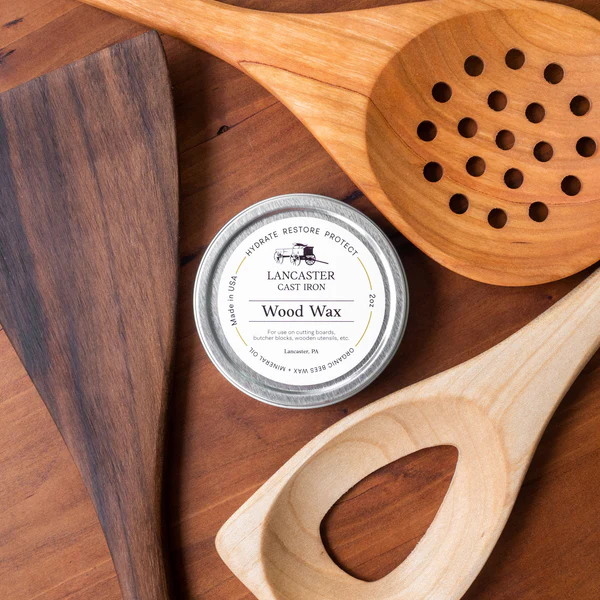
Accessories are not just upsells when they solve daily friction. For cast iron, the best add-ons are the ones that improve safety, heat control, and workflow. Handle covers help when you are moving hot pans from stove to oven. Lids help retain moisture and control splatter. Wooden utensils can protect seasoning and feel better in the hand for scraping fond and moving vegetables without harsh edges.
Care Guide for Long-Term Performance
Caring for cast iron is straightforward once you treat it like a cooking surface, not a fragile object. After cooking, rinse with hot water and use a soft brush or gentle scraper if needed. Dry thoroughly. While the pan is still warm, wipe in a very thin layer of oil. The key word is thin. Too much oil can become sticky. Over time, regular cooking and light oiling build a darker patina and improve release.
Do
- Preheat gradually for stable searing
- Dry immediately after washing
- Use a thin oil film for maintenance
- Cook often, seasoning improves through use
Avoid
- Soaking for long periods
- Leaving water sitting in the pan
- High heat without preheating
- Thick oily layers that turn tacky
Who Should Buy Lancaster Cast Iron
This is a strong fit for cooks who want fewer, better tools and prefer buying once instead of replacing cookware every few years. It is also ideal if you enjoy building seasoning, learning heat control, and using cookware that feels more “alive” over time. If you mainly want ultra-light pans or you dislike any maintenance, cast iron may not be the best match. For most home kitchens, though, a well-made cast iron skillet quickly becomes the most-used pan in the house.